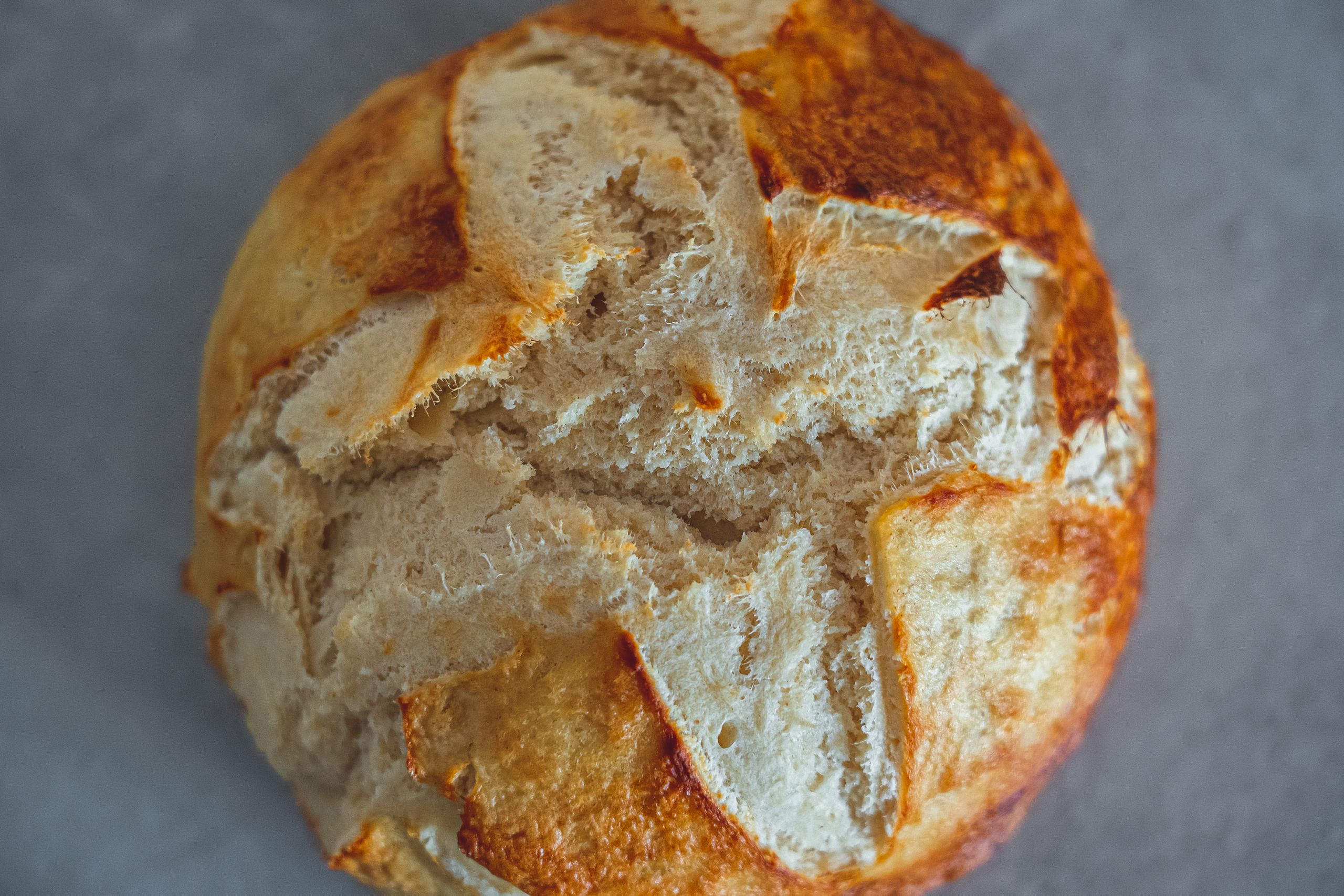
5 Things I Wish I Knew Before Making Sourdough in Hot Weather

When I began baking sourdough during a South Florida summer in 2023, I expected a learning curve. What I didn’t expect was how much the heat and humidity would change everything I’d read online.
After growing tired of the additives commonly found in many store-bought breads, including synthetic vitamins, bromates, and seed oils, I decided it was finally time to learn how to make my own. I followed a few talented bakers on Instagram, bought my supplies, and jumped in headfirst.
What I quickly discovered is that many sourdough tips are written for average temperatures, not Florida summers where a starter can seem to double in size while you’re making lunch.
Looking back, there are a few things I wish someone had told me before I began.
Your Bread and Starter Will Rise Faster Than You Expect In Warm Weather

One of the first surprises was just how quickly my starter responded to warm weather. During the cooler months, I can usually predict its rise fairly accurately. In the summer, that’s a different story.
There have been plenty of times when I’ve fed my starter, stepped away for a couple of hours, and come back to find it nearly reaching the top of the jar. The warmer the temperature, the faster the fermentation process tends to move.
One of the biggest lessons I learned was to watch the starter instead of watching the clock. Recipes and online guides can provide a general timeline, but your starter will ultimately tell you when it’s ready.
Overnight Proofs Can Become Overproofed Loaves
The same principle applies when proofing bread.
When I first started baking sourdough, I assumed an overnight proof meant leaving the dough on the counter until morning. In South Florida’s summer heat, that quickly led to overproofed dough that didn’t bake into the loaf I was hoping for.
Now, if I want a longer fermentation, I place my dough in the refrigerator overnight instead. The cooler temperature slows the process and gives me much more control over the final result.
It was a simple adjustment, but it made a huge difference in the consistency of my loaves.
Feeding Schedules Change With the Seasons
Another thing I wish I’d understood from the beginning is that feeding schedules aren’t fixed.
If I’m not planning to bake for several days, I’ll typically feed my starter and leave it on the counter long enough for fermentation to get underway before placing it in the refrigerator.
During the winter, that might mean leaving it out for around two hours. During the summer, even with the air conditioning running, it’s often ready for the refrigerator after about an hour.
The exact timing varies from home to home, but warmer temperatures almost always speed things up.
Your Home’s Temperature Matters More Than You Think
Most sourdough advice focuses on ingredients and techniques, but the temperature inside your home plays a major role as well.
Even if two people follow the same recipe, their results can look very different depending on whether they’re baking during a cool winter or a hot, humid summer.
The same starter that takes several hours to peak in January may be ready much sooner in July. Learning to adjust for seasonal changes helped me become much more confident as a baker.
There’s Room for Error
Of all the things I wish I’d known when I started, this is probably the most important.
Sourdough can seem intimidating at first. It’s easy to worry that you’ve fed your starter at the wrong time, left it out too long, or made some other mistake that will ruin everything.
But what I’ve learned over the last couple of years is that sourdough is far more forgiving than it appears.
Most starters are surprisingly resilient, and most small mistakes don’t end in disaster. Learning to pay attention to how my starter behaves rather than trying to follow every timeline perfectly made the process much less stressful and far more enjoyable.
If you’re just getting started, especially during the warmer months, remember that your starter doesn’t know what the recipe says. It responds to its environment. Once you learn to watch the starter instead of the clock, everything becomes a little easier.
-
This Twist on Strawberry Shortcake Might Just Be Summer’s Sweetest Dessert
If you’re looking for a fun and unexpected dessert to make for your next summer gathering, this simple twist on strawberry shortcake might be just what you need. It requires just a few ingredients, comes together in minutes, and delivers results that will have everyone asking for the recipe. The Grilled Donut Strawberry Shortcake You…