A Lab Test Shows What’s Growing on Gym Dumbbells, and It’s Not Pretty

Have you ever wondered what might be growing on the equipment you touch at the gym? I think about how many people handle the weights. And, honestly, where have those hands been? I’ve seen plenty of gross things at the gym. Nose picking is up there.
So when I saw an Instagram Reel testing samples from three different gym dumbbells, my first reaction was, “No kidding.” I wasn’t surprised. I’m kind of a germaphobe, so this just confirmed what I already suspected.
You can see the test shared by @howdirtyis on TikTok:
What Grew From the Dumbbell Samples?
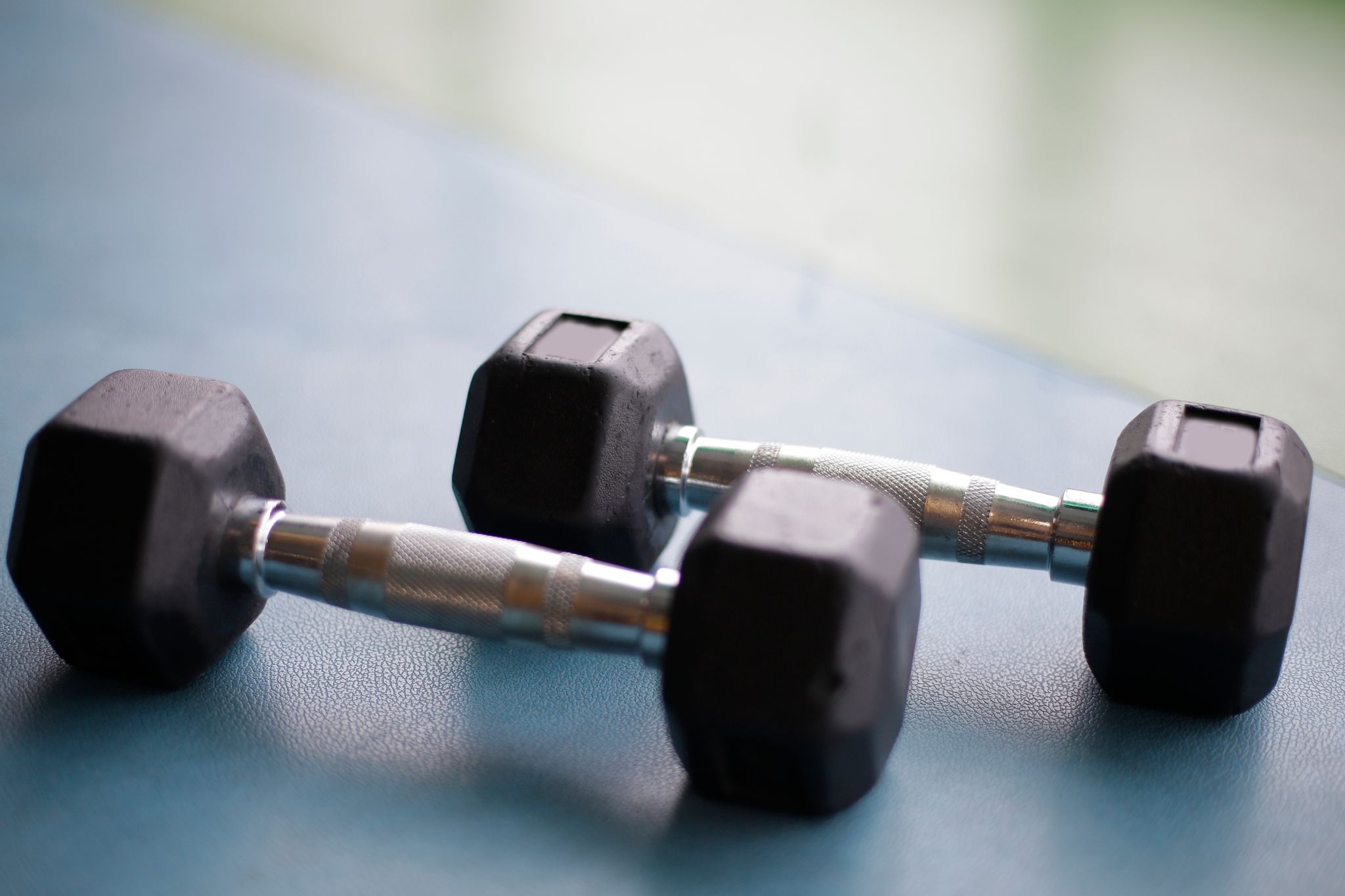
The creator collected samples with sterile swabs from the handles of 10-, 45-, and 75-pound dumbbells. The samples were transferred to nutrient plates and incubated for 24 hours at 35 degrees Celsius, or about 95 degrees Fahrenheit.
The 10-pound dumbbell plate showed growth described as “looking THICC,” and he identified the bacteria as Bacillus cereus.
The 45-pound sample produced “smaller colonies,” which he identified as Staphylococcus haemolyticus. Meanwhile, the 75-pound dumbbells, nicknamed the “big boys,” produced a sample described as “proper nasty smelling.” The creator reported Bacillus pumilus in that sample.
The plates aren’t pleasant to look at, but it’s not exactly shocking that something could be on those handles.
What Are These Bacteria, and How Common Are They?
The names sound intimidating, but understanding where these bacteria normally live helps put the findings into perspective.
Bacillus cereus, reported on the 10-pound dumbbell, is widespread in the environment, particularly in soil and vegetation. The FDA identifies it as a cause of foodborne illness under certain conditions.
Staphylococcus haemolyticus, reported on the 45-pound dumbbell, can naturally live on human skin. It belongs to the staph family, but this finding doesn’t mean the creator found MRSA. It can cause infections in certain circumstances, particularly in people with weakened immune systems.
Bacillus pumilus, reported in the 75-pound sample, is another widely distributed environmental bacterium associated with soil and plants. Human infections have been reported, but they’re uncommon.
These are the creator’s reported identifications from this particular experiment. The results don’t establish which weights are consistently dirtier or whether using the tested dumbbells would make someone sick.
The Gym Habits I’m Keeping
I always wipe my equipment down before and after using it. Even so, watching this makes me want to be more diligent.
Regardless of what may or may not be on the weights, it’s good practice to avoid touching your face, especially your eyes, nose, and mouth, while exercising. Washing your hands with soap and water afterward makes sense, too. The CDC recommends cleaning your hands before and after using shared weight-training equipment.
Would I send this video to my gym friends who tease me for wiping down every machine? Absolutely, with a simple message: “I told you so!”
Sources:
- Bacillus cereus: FDA Bad Bug Book
- Staphylococcus haemolyticus on healthy skin: Published research
- Staph bacteria and potential skin infections: Medical review
- Bacillus pumilus and uncommon human infections: Published research
- Hand hygiene before and after shared gym equipment: CDC guidance for athletes
- Avoiding touching your face with unwashed hands: CDC guidance
-
Bemotrizinol, the FDA’s New Sunscreen Ingredient: What to Know From an Esthetician
It’s been used overseas for 20+ years. Now it’s here, and I’m weighing whether it earns a spot in my routine.

